Get Out of Trouble
By Roy Monaro ·
[et_pb_section fb_built=”1″ _builder_version=”4.16″ custom_margin=”0px||||false|false” custom_padding=”0px||||false|false” global_colors_info=”{}”][et_pb_row _builder_version=”4.16″ custom_margin=”0px||||false|false” custom_padding=”0px||||false|false” global_colors_info=”{}”][et_pb_column type=”4_4″ _builder_version=”4.16″ global_colors_info=”{}”][et_pb_text _builder_version=”4.16″ text_font=”Roboto|300|||||||” text_font_size=”20px” custom_margin=”0px||||false|false” custom_padding=”10px|10px||10px|false|false” global_colors_info=”{}”]
Image courtesy of Reuters
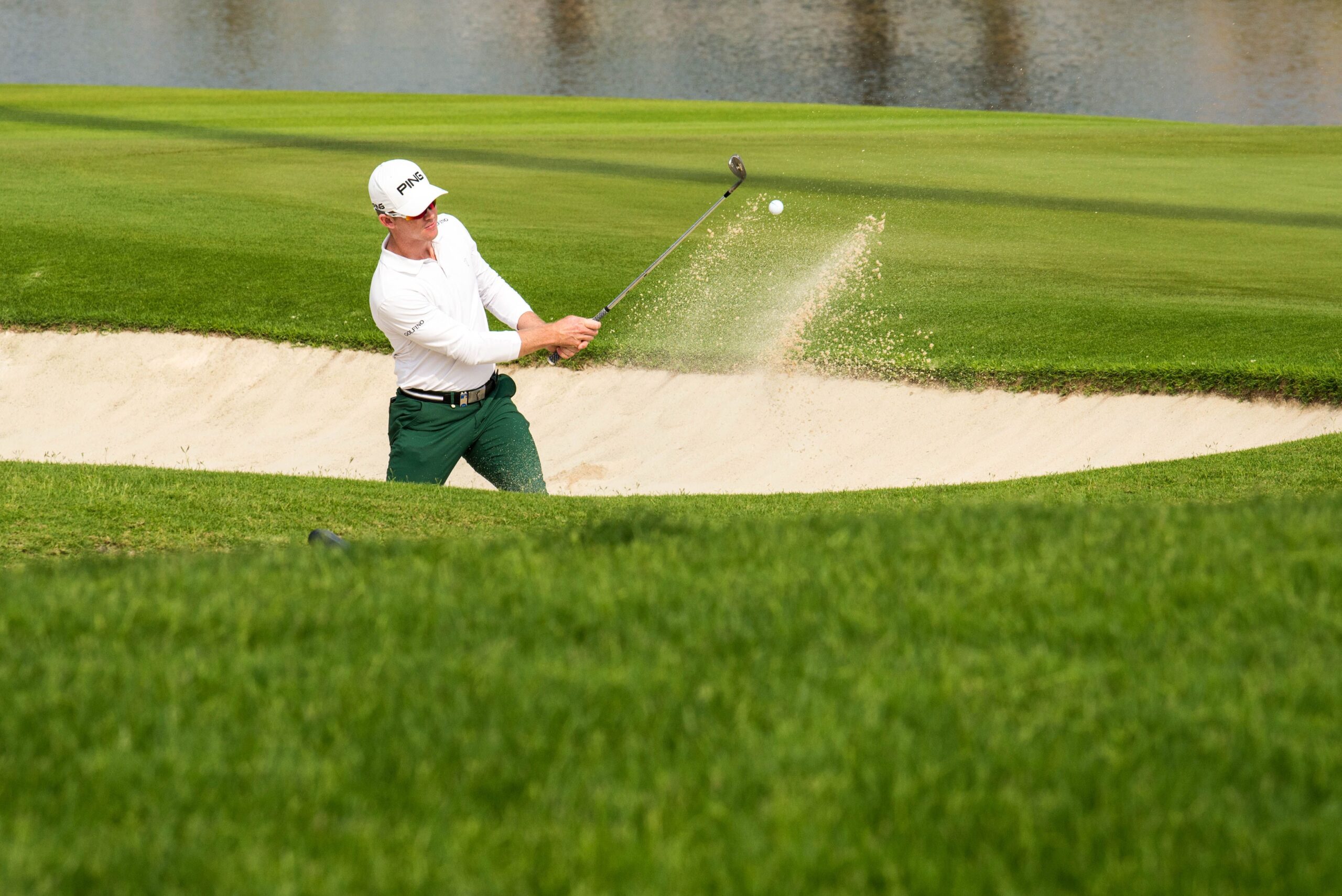
All golfers hit bad golf shots, even the best players in the world. It’s what great players do after a bad golf shot that makes the biggest difference. I know you are thinking that great players will hit miraculous recovery shots which put them back into position to make a birdie or par on a hole. This is certainly the case sometimes and is a result of understanding some basic concepts of the elements that affect ball flight. However, great players also know when to take their medicine and just get the ball back in play because they understand when the factors affecting ball flight will simply not allow for that miraculous recovery shot. Let’s review how a couple different surfaces affect these trouble shots.
[/et_pb_text][et_pb_button button_url=”https://thegolfperformancecenter.com/coaching/get-out-of-trouble/” button_text=”Read Full Article” _builder_version=”4.16″ global_colors_info=”{}”][/et_pb_button][/et_pb_column][/et_pb_row][/et_pb_section]