
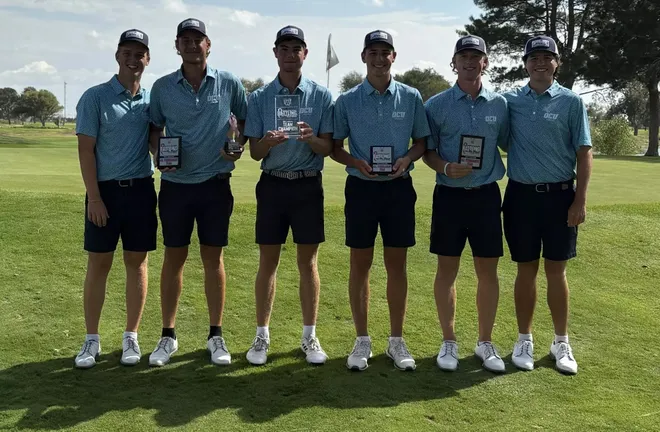
The decision by Oklahoma City University to cut its historically successful golf programs—winners of 19 national titles—is a gut punch to the collegiate golf world, especially the NAIA level. OCU President Kenneth Evans’ reasoning is clear and chilling: “We are in a turbulent time in higher education… Unfortunately, the cost structure of golf practice and competition presents unique challenges.”
This is a wake-up call. When a program with unparalleled success is deemed fiscally unsustainable, the question for everyone else is, “Who’s next?”
Is Program Contraction Inevitable?
The elimination of the OCU teams, operating on an estimated $500,000 budget, signals a brewing storm. Non-revenue college sports (golf, tennis, swimming) rely heavily on institutional support, but rising costs and financial pressures on universities are forcing a contraction.
We must confront difficult questions about the future of college sports:
- Shrinking Non-Revenue Sports: With rising costs, are we entering an era where only the most well-endowed non-DI programs (NAIA, DII, DIII) will survive?
- The DI Ripple Effect: As D-I programs face massive new expenses (e.g., revenue sharing), will they cut non-revenue sports, flooding the transfer portal and increasing competitive and financial pressure on lower divisions?
- Sustainability for Non-DI: Given high costs and minimal media revenue, what long-term funding models can sustain a $500,000 program budget?
- Can schools successfully pivot to aggressive endowment fundraising supported by alumni?
- Should we explore cost-effective club models (like the NCCGA) for competitive participation?
- Will the dynamics of Title IX compliance unintentionally lead to cuts in men’s non-revenue sports?
For Junior Golf Hub, the loss of these programs is a direct threat to the collegiate path we champion. It’s heartbreaking to witness prime opportunities for talented junior golfers disappear.
It’s a reminder to all junior golfers, parents, coaches, and alumni to treat your passion as a mission for sustainability:
- Be an Advocate: Support the schools and programs you love through donations, advocacy, and direct involvement.
- Be Strategic: Recruits must look closely at a program’s financial stability and institutional commitment, not just its ranking.
Be Proactive: Coaches and administrators must immediately develop and aggressively market unique, private-funding strategies and endowments to protect their teams when budget cuts arise.