
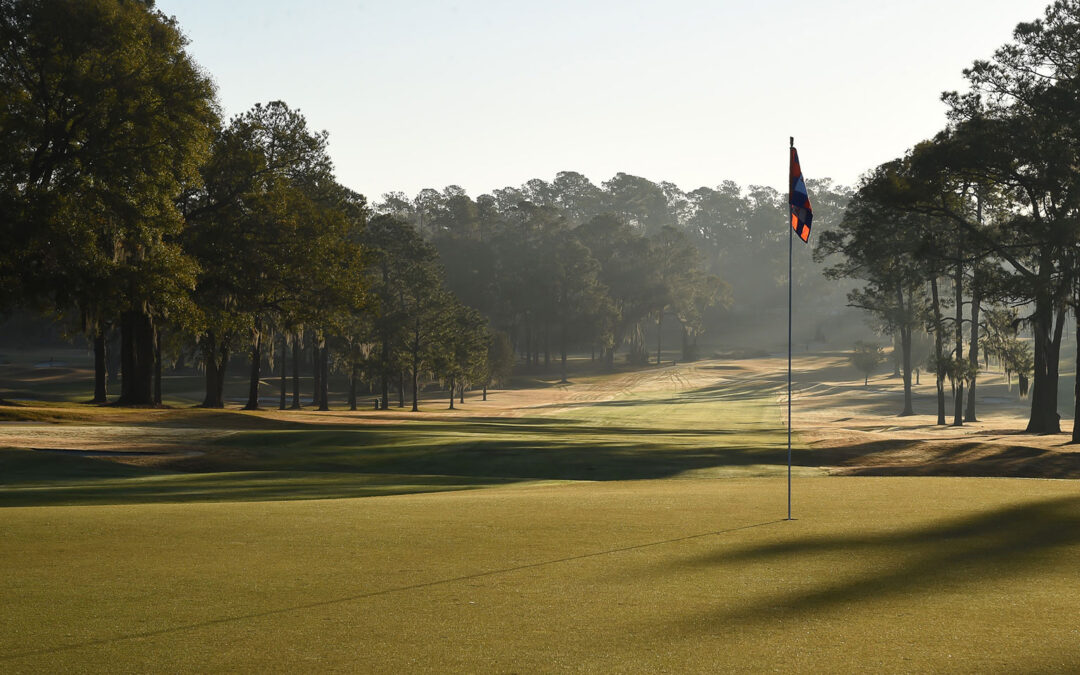
The University of Florida recently cleared a major hurdle for its ambitious golf expansion. On April 28, 2026, the Alachua County Board of County Commissioners voted to advance the university’s plan to the state for review. This green light marks a pivotal moment for Gator Athletics and the wider Gainesville community.
A New Standard for Championship Golf
The university plans to build a world-class, 36-hole championship course. This facility will eventually replace or supplement the historic Mark Bostick Golf Course. Furthermore, the project includes several high-end amenities:
-
A 65,000-square-foot clubhouse to serve as a central hub.
-
30 overnight cottages for guests and athletic recruits.
-
Dedicated team facilities for the men’s and women’s programs.
Chip Howard, UF Executive Associate Athletics Director, believes this move will revolutionize recruitment. Consequently, these upgrades could solidify the Gators as the premier golf program in the country.
The “Living Laboratory” Concept
This expansion is about more than just birdies and bogeys. The university will utilize a portion of the 2,600-acre property as a living laboratory for UF/IFAS students. This partnership allows researchers to study turfgrass, environmental science, and land management in a real-world setting.
Moreover, the plan emphasizes environmental stewardship. Specifically, the university will conserve sensitive areas to protect native species like gopher tortoises and woodland poppymallow. By using reclaimed water for irrigation, UF aims to set a new benchmark for sustainable course design.
Economic and Community Growth
The project promises a significant economic boost for Alachua County. For instance, the construction phase alone will generate numerous local jobs. Once completed, the destination-quality facility will attract golf enthusiasts from across the globe. This influx of visitors will naturally create ongoing employment and support local businesses.
Ultimately, this vote confirms UF’s commitment to excellence in both sports and academics. As the state reviews the land-use changes, the focus remains on building a facility that honors tradition while embracing the future of the game.